

What is Acupuncture?
Acupuncture is a therapeutic practice that involves stimulating specific points on the body, typically with very thin, sterile needles, to promote healing and restore balance.
According to Chinese Medicine, acupuncture works by regulating the flow of Qi (pronounced "chee"), or vital energy, through a network of invisible pathways called meridians. Health is understood as the smooth, balanced flow of Qi; illness arises when this flow is blocked (stagnation), deficient, or otherwise out of harmony between the complementary forces of yin and yang.
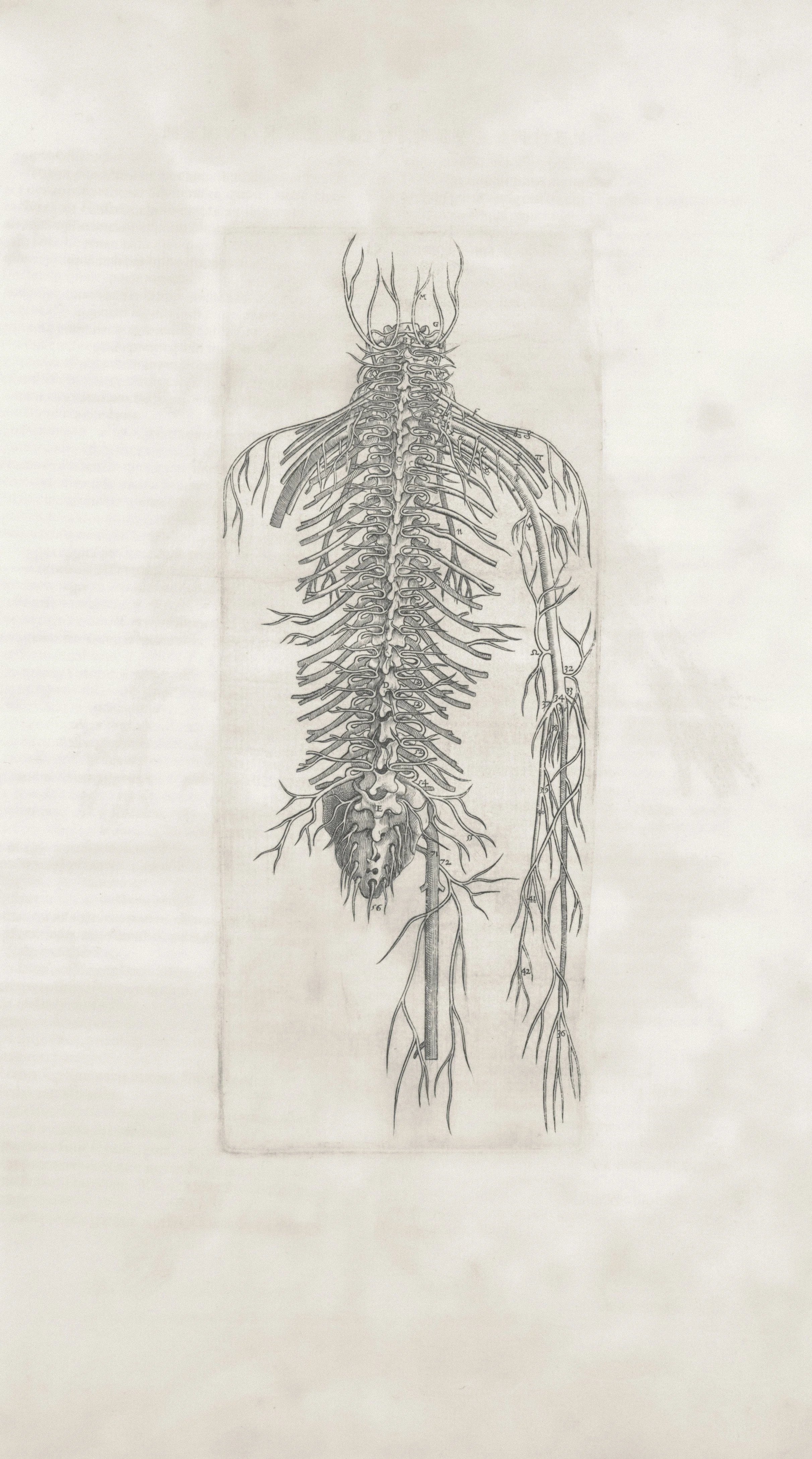
From a modern scientific perspective, acupuncture is understood to stimulate the body's nervous, immune, and circulatory systems. Research shows that needle insertion triggers the release of natural pain-relieving chemicals like endorphins, modulates activity in brain regions associated with pain and relaxation (as seen in fMRI studies), and reduces inflammation through local and neuro-immune pathways. These are not competing explanations but rather two lenses on the same process: the ancient concept of unblocking Qi stagnation corresponds closely to the modern understanding of reducing inflammation, easing muscle tension, and restoring normal nerve signaling.

Start your healing journey
FAQ
-
Acupuncture works by using precise physical stimulation to communicate with the body's self-regulating systems. When a needle is inserted at a specific point, it creates a small, localized signal. In Chinese Medicine terms, this signal "arrives" (deQi), often experienced as a dull ache, warmth, or tingling—a sign that Qi has been activated. In scientific terms, this same sensation correlates with the engagement of sensory nerves, the release of neurotransmitters, and increased local blood flow.
The choice of points is guided by a holistic diagnosis. A practitioner may select points near the area of concern (e.g., on the low back for low back pain) and also points elsewhere on the body that, in TCM theory, are connected via meridians to the underlying imbalance. This maps neatly onto modern neuroscience, which recognizes that stimulating a point on the hand or foot can reliably influence activity in distant brain regions related to the gut, the pain center, or the stress response.
Ultimately, whether described as balancing Qi or modulating the nervous system, the goal is the same: to help the body shift from a state of dysfunction or stress back toward homeostasis—its natural state of equilibrium.
-
Pretty much everything. Acupuncture supports immune function and relaxes the nervous system. It improves circulation, elevates mood, alleviates pain, and supports healthy digestion. It is best known and most strongly supported by research for treating chronic pain, including low back pain, neck pain, sciatica, tendonitis, knee pain, hip pain, osteoarthritis, headaches and more. It has been shown to be effective for stress, anxiety, insomnia, depression, digestive complaints, and as a supportive therapy for fertility and women's health. It is highly useful for treating chronic illness and autoimmune disease. See our list of the common conditions acupuncture treats here.
-
A typical first visit lasts around 60 minutes. We will begin with an in-depth intake, asking not only about your primary complaint but also about sleep, digestion, energy levels, diet, lifestyle habits, stress levels and emotional well-being. This may also include pulse and/or tongue diagnosis, and palpation, which provides additional clues about the state of the body's internal balance.
You then lie comfortably while a small number of ultra-thin, sterile needles are inserted at carefully selected points. Most people feel little to no insertion pain; a brief pinch or a sensation of dull ache, warmth, or tingling may follow, which is considered a normal sign that the treatment is working. The needles remain in place for 15 to 30 minutes, during which patients typically rest deeply. Afterward, it is common to feel relaxed, calm, or subtly energized. A treatment plan often involves a series of sessions, with the frequency decreasing as health improves.
-
Acupuncture is very safe when performed by a qualified, licensed practitioner using sterile needles (all needles in the US are sterile, sealed and single use). The most
common side effects are minor, such as slight bruising or temporary soreness, with serious complications being very rare

COMMON CONDITIONS
Acupuncture has been shown to be successful in treating many different diseases, disorders and pain conditions. Common conditions that respond well to acupuncture include:
PAIN
Headaches
Migraines
TMJ
Neck pain
Upper back pain
Shoulder pain
Arm pain
Low back pain
Hip pain
Knee pain
Leg/foot pain
Sciatica/piriformis syndrome
Muscle spasm
Neuralgia
Arthritis
DIGESTIVE DISORDERS
Poor Digestion
Acid Reflux
Constipation
Diarrhea
Irritable Bowel Syndrome
Colitis
Bloating
Leaky Gut/Sibo
SPORTS INJURY
Low Back strain
Shoulder/neck strain
Tennis elbow/Golf elbow
Sciatica/Piriformis Syndrome
Carpal tunnel
Thoracic outlet syndrome
Hamstring strain/tendonitis
Rotator cuff syndrome
Compartment syndrome
Knee pain/ITB Friction Syndrome
Achilles tendonitis
Ankle sprain
Plantar fasciitis
HEALTH & WELLNESS
Stress/ Anxiety
Insomnia
Depression
Weight loss
Immune Support
Digestive Support
Detox
Fatigue
Skin Problems
GYNECOLOGICAL
Painful Periods
Irregular Periods
Amenorrhea
PMS
Hormone Imbalance
Fertility & Pregnancy
Post Partum Issues
Menopause
RESPIRATORY
Allergies
Sinusitis
Rhinitis
Bronchitis
Asthma
Common cold
SYSTEMIC ILLNESS
Auto-Immune
Fibromyalgia
Chronic Fatigue
Vertigo
Tinnitus
Diabetes
Thyroid Issues
Eczema